|
Hello reader,
The legislative building can be filled with, well… politics. Backroom deals, posturing, jockeying for votes. As we know, much of the budget negotiation took place behind closed doors.
But this week, I’d like to bring you a story about how lawmakers spent time to transparently identify a problem and draft a measure to try to address it. Such is the story, one could argue, about House Bill 1104, a measure to overhaul North Carolina’s involuntary commitment policies.
The state House assembled a special committee to review those policies last year after the killing of Iryna Zarutska, a Ukrainian refugee who was murdered on a light rail train in Charlotte. Then, this year, Raleigh school teacher Zoe Welsh was killed in a home invasion. Both men facing murder charges in their deaths had histories of mental illness.
Over the course of five months, lawmakers heard from psychiatrists, judges, law enforcement officers, and leaders of behavioral health care facilities about how involuntary commitment works and whether it could be better at preventing these tragic deaths.
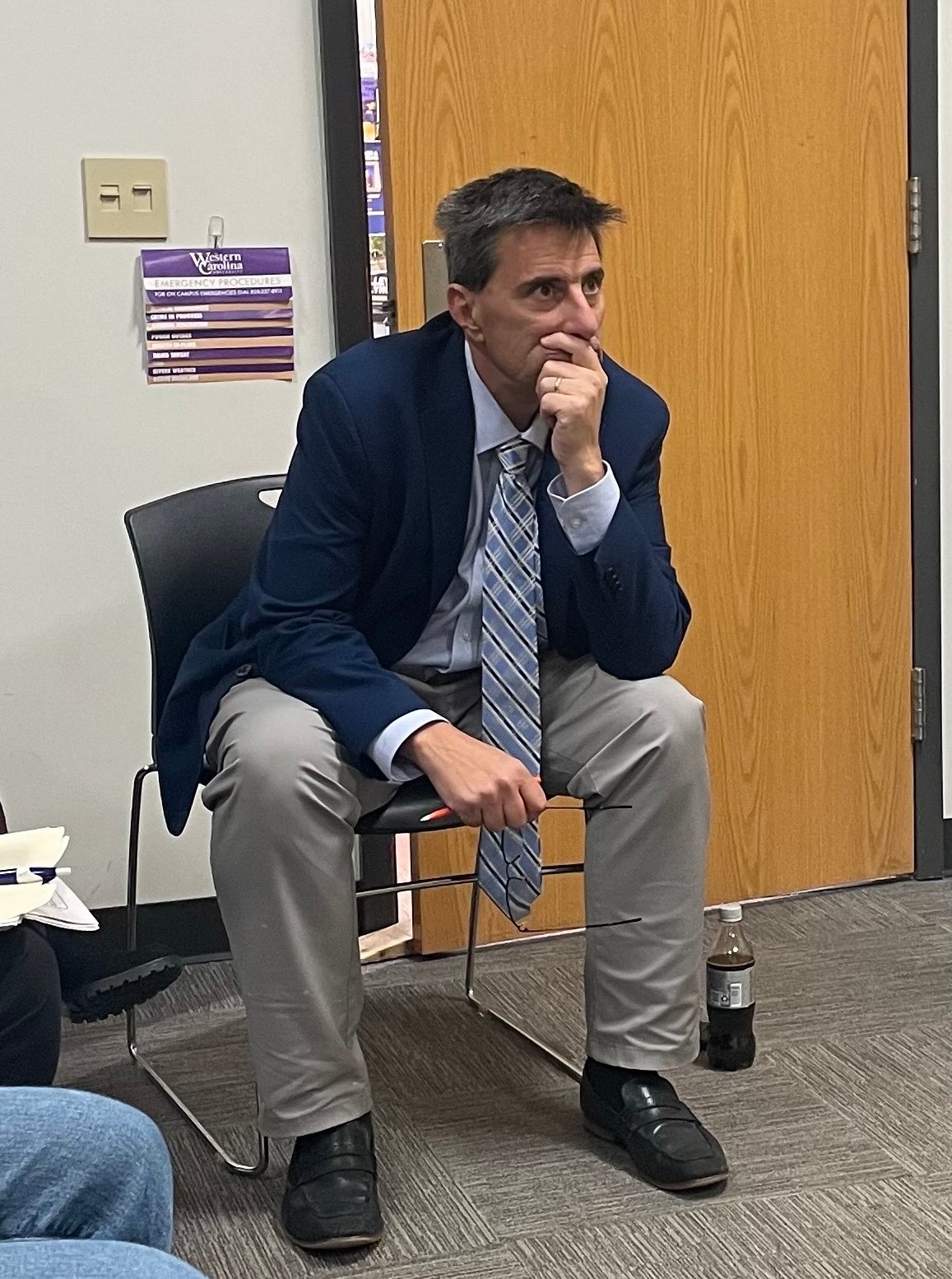
And when the legislature reconvened in April, state Rep. Timothy Reeder, an emergency medicine doctor and co-chair of the special committee, drafted the bill. It went through six different versions before it went to final votes in the state House and Senate at the end of June. It passed the House 105-10 and the Senate 45-3.
Every lawmaker in Raleigh will tell you that no bill is perfect. But House Bill 1104’s journey is a lesson in how the system is supposed to work.
Gov. Josh Stein signed the bill this week after it got overwhelming bipartisan support in both the state House and Senate, though there are lingering concerns from advocacy groups like Disability Rights NC about whether judges use involuntary commitment too often.
I’ve written about how the bill changes the involuntary commitment process and some of the challenges of implementing it, including the ongoing shortage of psychiatric hospital beds in North Carolina.
Do you have questions about the bill or the legislative process? Send me a note. |