|
Ren’s article was produced through The Assembly’s partnership with the ProPublica Local Reporting Network. This interview was edited for length and clarity.
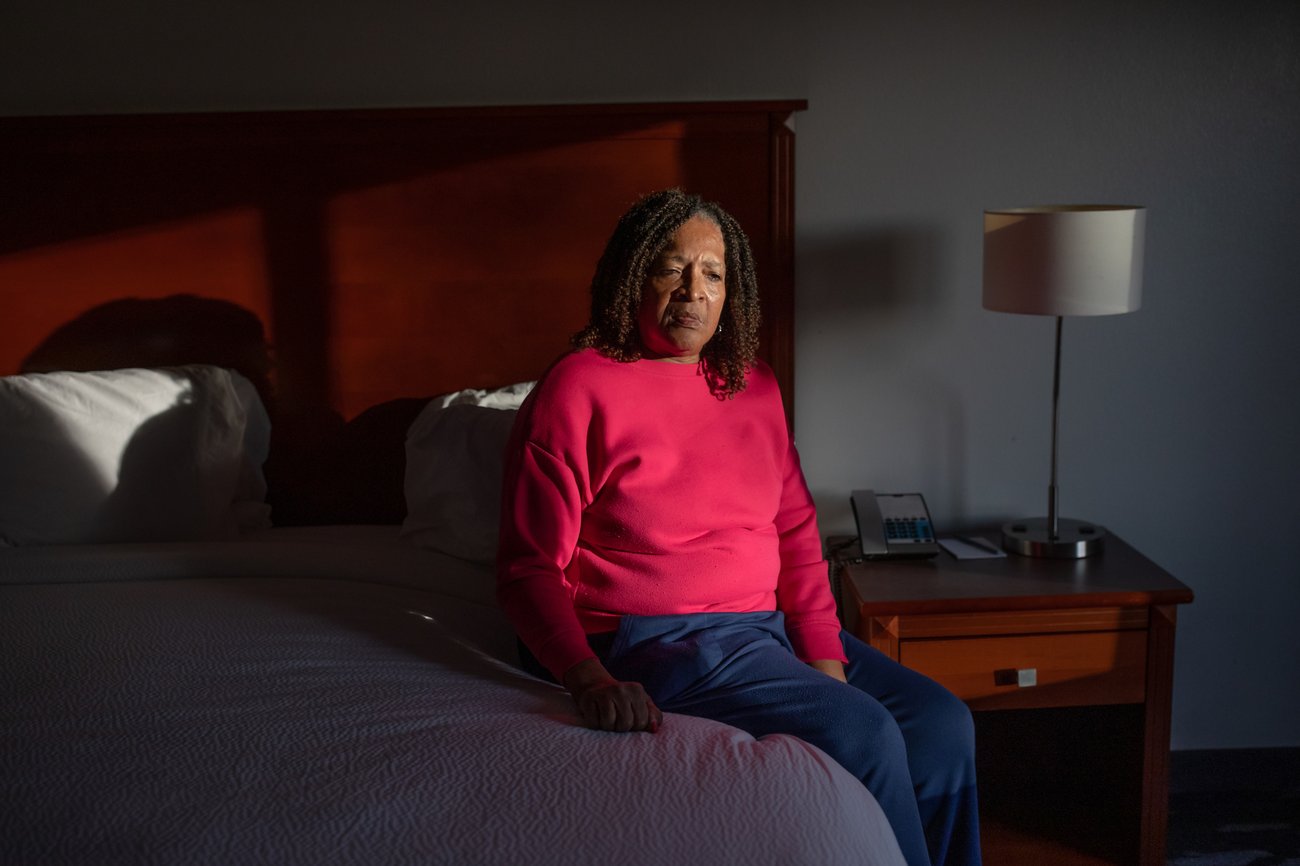
LK: Your piece opens with someone not from Helene, but from Florence: Willa Mae James in Lumberton who was still living in a hotel in October while her home was under construction. Why start there?
RL: Willa May James, to me, she is indicative of the problems that a poorly run program can have and like the impacts that that has on someone's life, the effects that government problems have on someone's life. After Hurricanes Matthew and Florence hit Eastern North Carolina, the state created a rebuilding program to help low and moderate income homeowners rebuild their homes.
They're still helping the last few hundred families right now and Willa James was one of the last families to stay in a hotel and she spent over 15 months in a hotel out of her home waiting for it to be rebuilt.
To me, she presents a little bit of a warning signal for what could happen for families out west if this new program for the families whose homes were impacted by Hurricane Helene is not successfully run.
LK: You looked back at the state’s homebuilding program for Florence and Matthew, RebuildNC, to see what could be improved for Helene recovery efforts. What were some issues that your investigation uncovered?
RL: We had issues of an agency not being able to keep track of expenses and for the first several years of the program didn't hold contractors accountable for delays that would then drag out projects and drive up costs. The longer someone's out of a home, the more time they have to spend in a hotel or renting.
There's costs on homeowners. There's also costs on those construction companies and storage pods. One of the things that we wanted to look at is how the recovery program out west could be responding to these problems. Down east there was a problem with transparency and accountability. So far, it looks like the Western North Carolina recovery program RenewNC is aiming to be significantly more transparent, holding public meetings and responding to the stakeholder feedback. So that's an important change.
Down east, we saw a program take a very progressive approach, ensuring that people weren't kicked out of a program because they couldn't afford housing while their home was rebuilt. This added up to about $100 million dollars in temporary relocation assistance for a program that originally had a $779 million budget. But out west right now we're seeing that the program doesn't want to provide any of that except under “extreme circumstances.”
LK: RenewNC is Gov Stein’s new home building program launched in June 2025 that is supposed to improve on these issues. As of today, 16 of the 2,700 homes have been repaired. The goal is to finish those homes by 2028. Does that goal seem possible?
RL: It is a massive feat to rebuild, repair, or to fund and they will be, if they have enough money, providing reimbursement costs to some low to moderate income homeowners for the repairs. Looking at the state's timeline, they've already moved faster than any other HUD program to date as far as we know.
I know the Renew NC program has been criticized. I believe it wasn’t until August of 2025 - so nearly a year after Hurricane Helene hit - that the first home funded by the state program was repaired, but then you have to look at it from a longer timeline. This program didn't get the money coming in from the federal government and an action plan approved and then opened up applications until June. So they are moving at a reasonable pace.
We have a lot of projects in the pipeline. So, there's 16 homes that are completed, but there's another 23 that are under construction, about 75 are in pre-construction, and hundreds more lined up behind them.
It'll be ambitious, and it'll take a lot of coordination and work. I don't know if they will meet the timeline.
LK: The article dug into some issues on the local level that are also contributing to delays, namely a lack of building and environmental inspectors. What solutions have you heard for that issue?
RL: One thing that the state of North Carolina wanted to highlight is last year we passed a law that would allow certain licensed occupations such as building inspectors - who are licensed in another state - if they move to North Carolina, to allow their license to be recognized here.
That's a very much a free market approach, plus like a little less regulation from the state approach. And it is also possible to bring inspectors from other parts of North Carolina to help with the process out west.
So, county environmental inspectors are employed by your county, usually within a health department, who, when it comes to construction and repairs, ensure that your septic system [and water] is functioning.
Obviously, there's a large demand in Western North Carolina, especially when it comes to well and septic systems that will need to be repaired, replaced over the coming years.
Read more.. |