Share

Plus, RSVP for our Local News Day Cafe ☕️
 ‌ ‌ ‌ ‌ ‌ ‌ ‌ ‌ ‌ ‌ ‌ ‌ ‌ ‌ ‌ ‌ ‌ ‌ ‌ ‌ ‌ ‌ ‌ ‌ ‌ ‌ ‌ ‌ ‌ ‌ ‌ ‌ ‌ ‌ ‌ ‌ ‌ ‌ ‌ ‌ ‌ ‌ ‌ ‌ ‌ ‌ ‌ ‌ ‌ ‌ ‌ ‌ ‌ ‌ ‌ ‌ ‌ ‌ ‌ ‌ ‌ ‌ ‌ ‌ ‌ ‌ ‌ ‌ ‌ ‌ ‌ ‌ ‌ ‌ ‌ ‌ ‌ ‌ ‌ ‌ ‌ ‌ ‌ ‌ ‌ ‌ ‌ ‌ ‌ ‌ ‌ ‌ ‌ ‌ ‌ ‌ ‌ ‌ ‌ ‌ ‌ ‌ ‌ ‌ ‌ ‌ ‌ ‌ ‌ ‌ ‌ ‌ ‌ ‌ ‌ ‌ ‌ ‌ ‌ ‌ ‌ ‌ ‌ ‌ ‌ ‌

View in your browser

Did someone forward you this email?

👋Sign up here!

Good morning, neighbors,


I'm glad we avoided the worst of the predicted bad weather across the state yesterday. The storms brought power outages to hundreds in our area, but for the most part, we dodged major wind damage and tornadoes.


I want to take a second to flag tonight's City of Graham Planning Board meeting. Mayor Chelsea Dickey shared on Facebook that they'll review the city's draft Comprehensive Land Development Plan. The document is like a roadmap for the city's future growth and development. Think: land use, zoning, and policies that could affect local infrastructure and neighborhoods. Dickey and some members of the board are asking for residents' input on the plan. If you can't make it in person, submit comments here.


One of the best parts of this job is getting out and checking out places that bring our community together, whether it's public meetings or a local event. Last week, I spent some time at two newer local spots: Silé Tea Shop in Graham and Flight Tea Bar & Lounge in Mebane. While you can order to go, I really enjoyed trying out the whole “experience” — having tea steeped in front of you with a sweet pastry on the side. 


Speaking of community spaces and caffeinated brews, I’d like to invite you to our upcoming Local News Day Cafe.


Save the Date:

🗓️ When: Thursday, April 9 at 10 a.m.

📍 Where: Sol Café at the Alamance Dream Center, 1423 N. Church St., Burlington, NC 27217

👤 Who: Join me, other local journalists, and Fabric readers 

❓ What: Come grab a coffee and share the issues that matter most to you. 

☑️ RSVP: The event is completely free, but we’re capping it at 50 guests, so please register here.


Some context: The inaugural Local News Day is scheduled for April 9 as a national day of action to celebrate and amplify the role of local news. NC Local has organized “NC News Cafes” in communities across the state, including ours. To mark the occasion, we want to celebrate by listening to you!


In that spirit, I have a favor to ask those of you who believe in our mission: We want The Alamance Fabric to reach every corner of our county, from East Burlington to our rural neighbors. We’ve created a printable flyer with a QR code that links to our newsletter sign-up. If you’d like to be a community ambassador, you can download the flyer and pin it to the community bulletin board at your favorite local coffee shop, restaurant, community center or church. Let me know where you place yours, and thanks for your help!


Now, onto this week’s featured story. With North Carolina recently expanding its school voucher program, we wanted to know exactly how that is playing out in our backyard. We requested local data to see where $14 million in taxpayer dollars is going, which local private schools are seeing the biggest influx of funds, and what this means for families across Alamance County.


Let’s get to it.

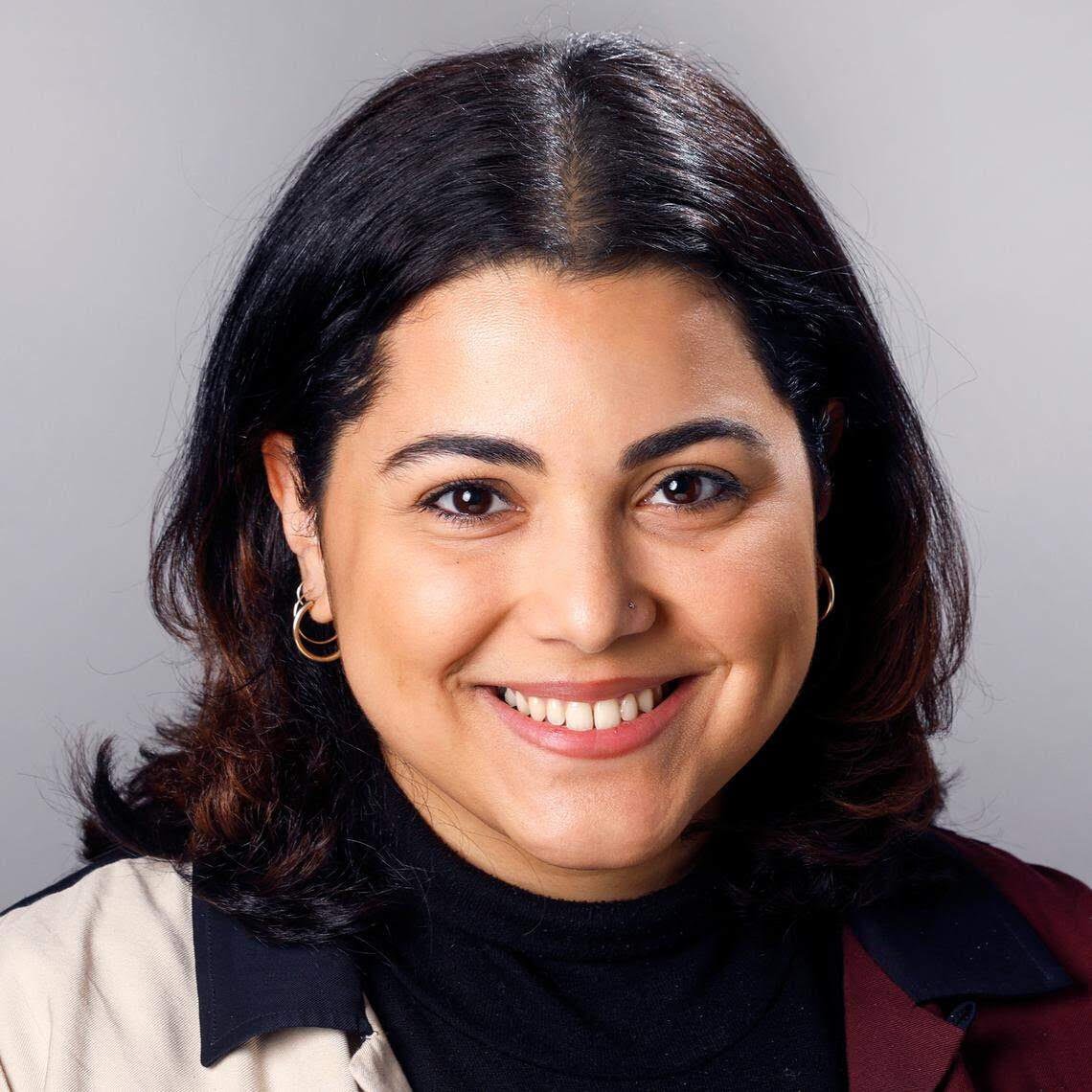
Laura Brache
Community Engagement Editor

The Alamance Fabric | NC Local

laura@alamancefabric.org

This week...

Who is getting school vouchers in Alamance County?

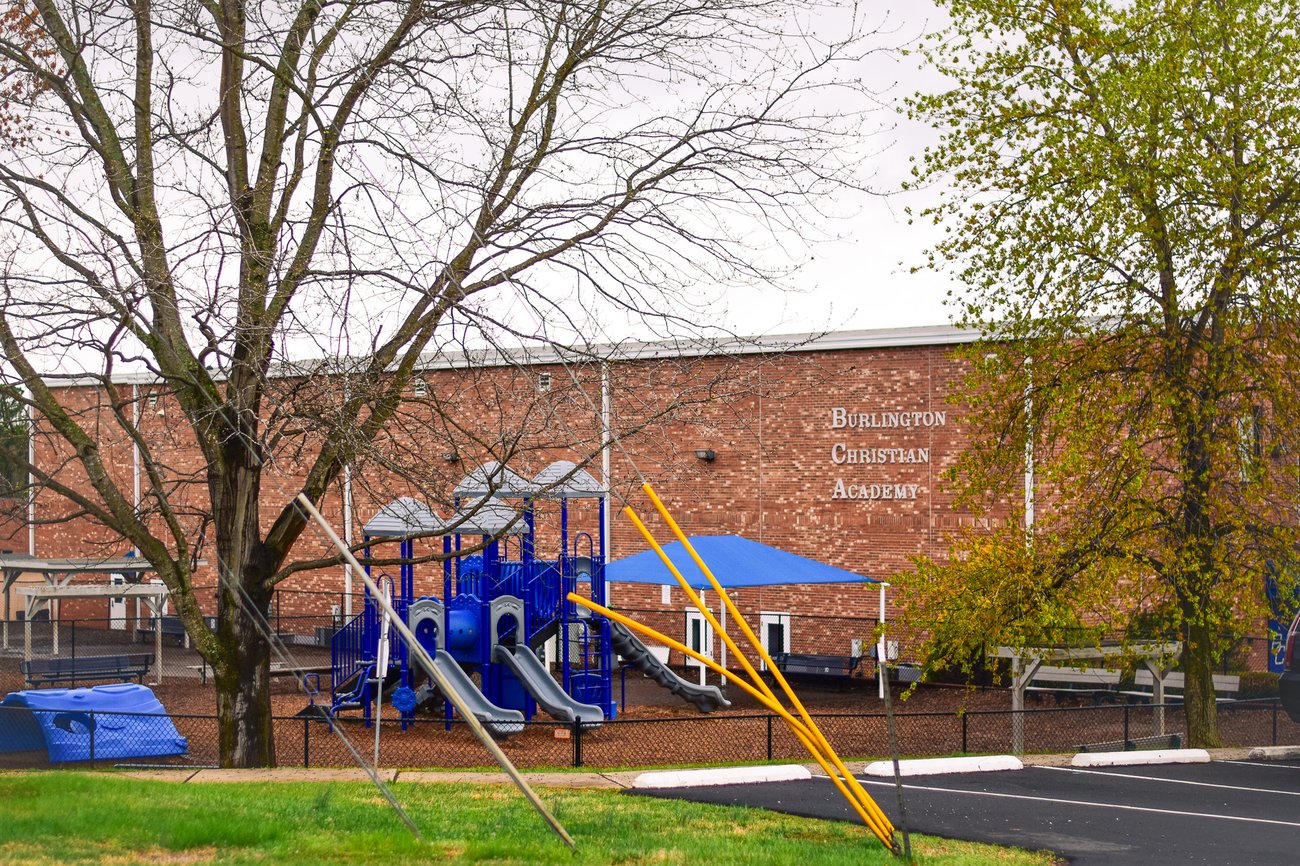
Burlington Christian Academy in Burlington, N.C. as seen on Monday, March 17, 2026. (Photo: Laura Brache/NC Local)

Over the last two school years, the amount of taxpayer dollars flowing into private K-12 tuition vouchers has more than quadrupled in Alamance County – a result of a legislative move allowing higher-income families access to North Carolina’s Opportunity Scholarships.


In North Carolina, some critics of the private school voucher program have said they’re concerned state lawmakers are pulling available public funding away from traditional public schools. But many advocates and parents say the change has improved private school affordability and access to the program, which was started in 2014, initially as a way to help lower-income North Carolinians afford private schools.


Since 2023, when lawmakers removed household income caps on the program, the number of families applying for vouchers has significantly increased. The legislature also approved spending nearly $394 million more beginning in 2025.


In Alamance County, the change increased the value of local Opportunity Scholarships from nearly $5 million for 774 students in the 2023-24 school year to more than $14 million for 2,326 students in the current school year.


More than two-thirds of households that use private school vouchers in Alamance report income, relative to family size, that is close to or more than double the county’s local median household income of $65,651 as of the 2024 Census.


Read the full story...

Coming soon: A landing page for The Fabric! In the meantime, you'll be redirected to nclocal.org

Invest in North Carolina's local news.

The Alamance Fabric and NC Local are powered by readers like you.

Donate

What's shaping Alamance

A round up of key local headlines (from our partners and other news organizations) that are defining life in Alamance right now.

Latest from NC Local

Here is the latest statewide reporting from the NC Local team on the big-picture issues that impact us all.

How to prepare for high winds and possible tornadoes

A guide to severe weather preparedness with information from the National Weather Service and state emergency management officials. Read more...

NC election officials consider rules for investigating “presumptive noncitizen” voters

The board would flag “presumptive noncitizen” voters based on checks of “government records and databases,” like the SAVE system. Read more...

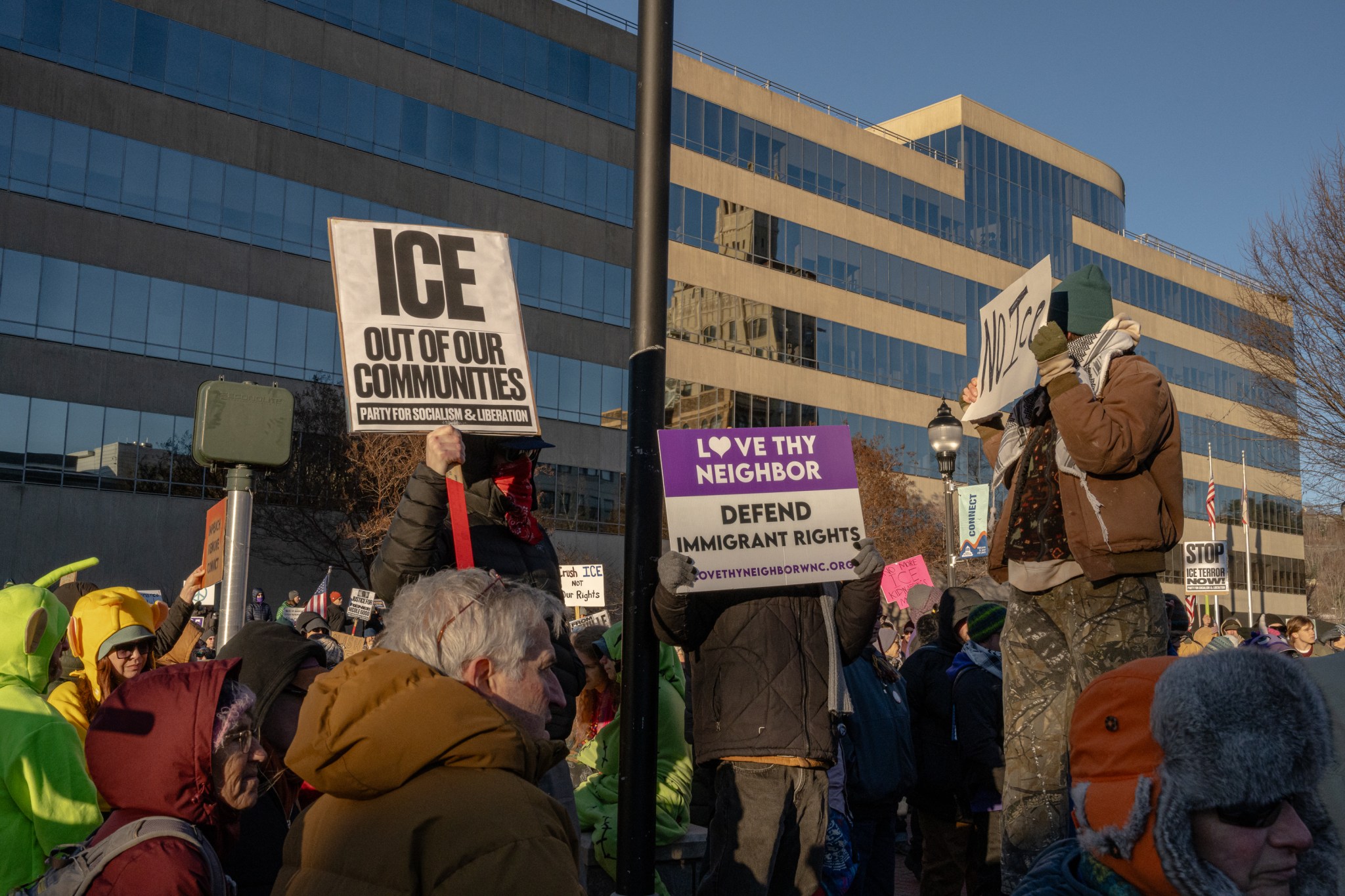
Where in North Carolina is ICE looking to expand?

Data and maps show where ICE holds people and where they might establish detention office locations in North Carolina. Read more...

Community spotlight

In this segment, we spotlight one of the neighbors shaping our community's future. This week, we’re sharing an excerpt of a Q&A with Jeffrey Coker, President of of Burwell Farms, written by Elon University senior Catherine Smith.

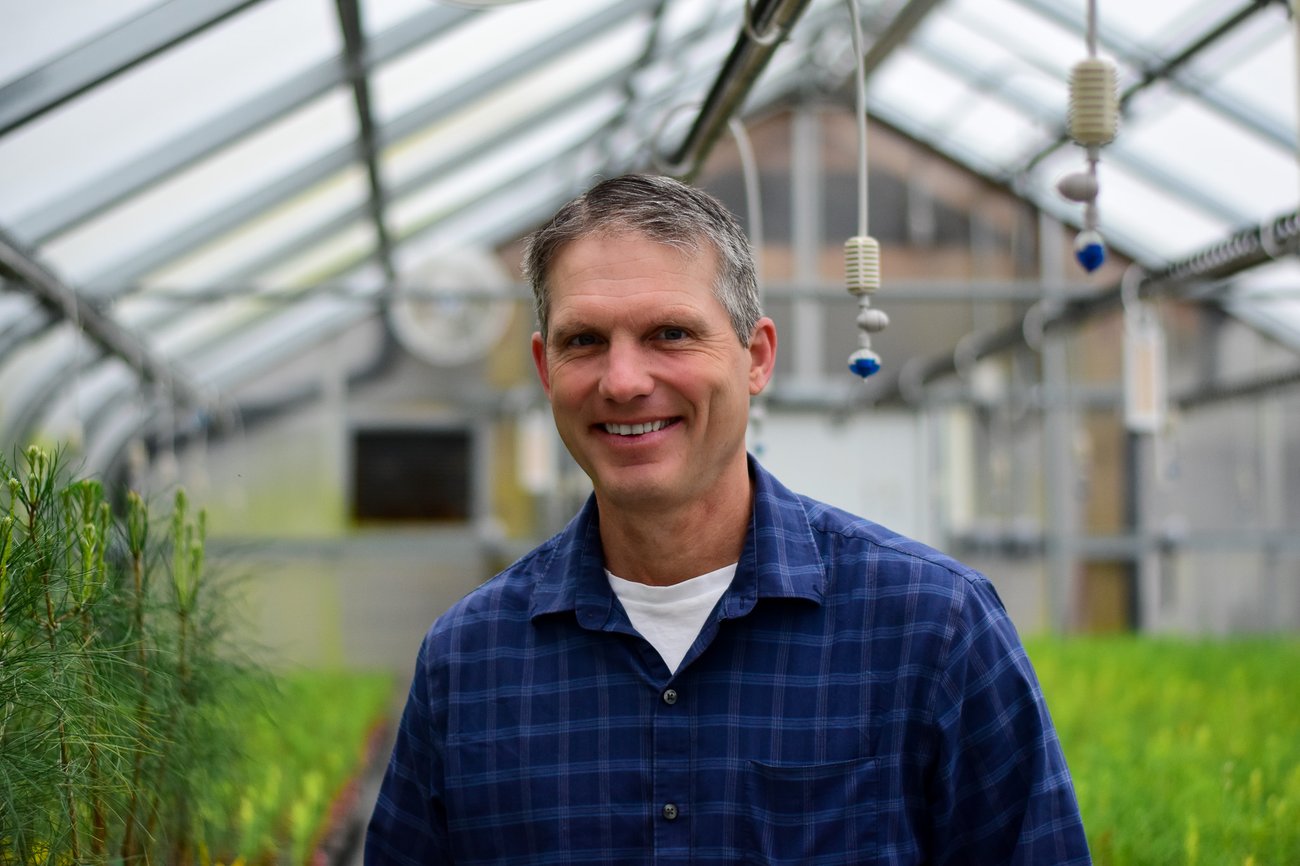
Burwell Farms president Jeffrey Coker stands for a portrait inside a greenhouse at the company's processing facility

located at 2010 S. Church St. in Burlington, N.C., on Monday, March 16, 2026. (Photo: Laura Brache/NC Local)

How Alamance County’s own Jeffrey Coker helped

build North Carolina’s truffle industry

By Catherine Smith

Jeffrey Coker’s career has been anything but conventional. A former college dean, biology professor and academic administrator at Elon University, Coker spent nearly 20 years managing classrooms, programs and institutions before trading lecture halls for orchards. Today, he is at the forefront of North America’s truffle industry, combining his scientific expertise, business acumen and love of the outdoors to grow one of North Carolina’s most unique and high-end agricultural ventures: Burwell Farms.


Coker is President of Burwell Farms and oversees the processing facility located in Burlington. The farm itself is located near Warrenton, about 88 miles northeast of Burlington.


He made the switch from academia into farming in July 2020. When asked what inspired him to take such a drastic career leap, Coker said, “It was the perfect opportunity in several ways.” 


“I’ve always joked that to do everything I wanted in life, I’d need three, four, maybe five lifetimes. Part of me always wanted to be a writer. Part of me wanted to try farming. Part of me wanted to be an entrepreneur, he explained.”


Editor's note: This interview is from September 2025 and has been edited for clarity and length.


Q: How did the opportunity with Burwell Farms come about?


A: You know all the buildings at Elon with the last name Powell on them, of which there are many, if you really pay attention. The owner of [Burwell Farms] is Thomas Edward Powell III. His father, Thomas E. Powell Jr., was an Elon biology professor back in the 1920s and 30s. He left in order to start his own company, which became Carolina Biological Supply, right down the road, and it’s the largest science education supplier in the country. Then he had three boys: Ed, who’s my boss, Jim, and John. Those three went on to start LabCorp, the biggest medical testing company in America, also right down the street. Needless to say, they’re fans of Elon and have been major benefactors over the years.


The second I left Elon, I started getting calls from Dr. Powell, whom I had known for 15 years or so through Elon connections. He said, “Now, Jeffrey, I sort of have an unwritten rule that I don’t recruit people from Elon and they don’t recruit people from Carolina, because we don’t want to be competing with one another. But now you don’t work for Elon.” So literally just a few months after I moved to Pennsylvania, I’d get calls from Dr. Powell to talk about how he wanted me to come back and work for him.


Eventually COVID hit, and academia was a nightmare. We also had some family reasons that made it desirable to return. So this gave me a chance to try one of those other things I always thought I’d need another lifetime to do – being entrepreneurial and trying something completely different. At a certain point, I just went for it.


Q: Have the career skills you honed in academia translated into your current role at the farm?


A: Absolutely. Universities are businesses at the end of the day – you have to make sure as much money comes in as goes out, or the institution will eventually shut down. At Westminster College, for example, I inherited a $3-3.5 million annual deficit, and I had to work with a team to close that gap. That taught me how to run an organization so it’s financially sustainable.


I also managed a scientific enterprise – planning a $20 million science facility [at Westminster College], overseeing a science-heavy campus, and handling hiring, firing and crises. Later I ran admissions, which gave me skills in digital marketing and pricing, like setting tuition or summer school costs.


When I came here, I realized the farm had no one whose job it was to sell truffles. Everyone was focused on growing them, but once they had them, they didn’t know what to do next. So I took the exact same skills I’d developed in academia – finance, management, marketing – and applied them here. I didn’t set out to train myself for business, but I had, and it turned out to be exactly what I needed.


Q: Where do you feel most fulfilled personally at this stage in your career, given how rewarding academia was for you, and how different the farming lifestyle must be?


A: I felt fulfilled in academia, and I feel fulfilled now, but it’s completely different. On a college campus you’re surrounded by brilliant people, cultural events, gyms, and constant activity—it’s a great life, but also one with endless work and nonstop emails. You never really leave it behind.


Here, things are more unscripted. Some weeks we don’t even have meetings, and it’s easier to step away at the end of the day. That’s been refreshing. At the same time, what’s fulfilling is obvious: we’re not just running a business, we’re building a new industry. We were the first truffle farm in North Carolina big enough to be inspected, and I had to start by explaining to the health inspector what a truffle even is. Every time something happens, whether it’s a new pest or a production issue, we’re the ones creating the playbook.


This role also lets me draw on every stage of my life. I can do science in my little genetics lab, run a business, be outside in the fields and still work closely with people. That diversity is exciting. And then there’s the unique part of working with clients—sometimes North Carolina farmers, sometimes very wealthy or famous people who want orchards of their own. I get to interact with all of them, which is both challenging and rewarding.

Things to do

Whether you’re searching for family-friendly fun, ways to support local creators or become more civically involved, here are a few ideas.


A small favor? 

Your gift ensures that Alamance Fabric and NC Local can make complex policies understandable for Alamance residents. Every contribution helps readers stay informed, engaged and connected.


Will you make our community better by powering journalism with your donation?

Donate today!
Email Marketing by ActiveCampaign